
What if your wearable could help you live longer—not just track your steps?
Why Longevity Needs More Than Just Check-Ups
Across Malaysia and beyond, people are living longer—but not always healthier. Chronic fatigue, sleep disruption, and stress-related decline often build silently for years before symptoms appear. Traditional healthcare catches problems late, once disease is already present. Longevity care takes a different approach: support the body before it breaks down. That’s where smart wearables and AI come in.
Modern devices can now capture data streams like heart rate variability (HRV), resting heart rate, sleep quality, and step patterns. When analysed over time, this data may reveal early warning signs—such as declining recovery, mounting stress, or poor adaptation. But raw data alone isn’t enough. We need guidance, context, and actions that fit real life.
What the Data Tells Us About Staying Well
Fitness trackers popularised metrics like steps and calories. But in longevity science, more telling signals include:
HRV (Heart Rate Variability): A dynamic measure of your nervous system balance. Higher, more stable HRV usually suggests better resilience.
Sleep trends : Fragmented or delayed sleep can reflect circadian rhythm disruption, common in urban lifestyles.
Resting heart rate (RHR) : If RHR rises while HRV falls, it may indicate mounting physiological stress—even if you're “pushing through”.
AI-guided platforms can detect these subtle trends. Rather than offering one-size-fits-all advice, they personalise support: “Your HRV trend is falling, and sleep onset is delayed—consider earlier wind-down or lighter evening meals.”
The Signsbeat Difference: Preventive Wellness, Not Reactive Care
Signsbeat goes beyond generic fitness tracking. It uses a state-based algorithm that classifies your weekly physiological profile into five core categories:
Pro_Recovery – Your body is adapting and rebuilding. Longevity gains happen here.
Pro_MildStress – Some stress is present, but you’re still adapting.
Pro_Stress – Sustained physiological strain may signal risk accumulation.
Pro_Positive / Pro_Negative – Longer-term composite signals that reflect overall adaptive balance.
By helping you interpret shifts between these states, Signsbeat supports smarter choices. For example:
Trending Pro_Stress? Adjust bedtime, reduce intensity, support recovery.
Holding Pro_Recovery? You’re in a prime zone to build strength, resilience or explore gentle hormesis (like moderate fasting, movement, or heat exposure).
This isn’t about alarms—it’s about awareness. AI helps you notice changes before fatigue, poor sleep, or illness take hold.
Do This Next: Small Steps Toward a Longer, Healthier Life
You don’t need a medical degree—or a biohacker’s lab—to start:
1. Wear your device consistently**: Give it 4–6 weeks to establish your baseline.
2. Track HRV and sleep trends weekly**: Not just “last night”, but how your trends shift over time.
3. Use the algorithm, not just numbers**: Let Signsbeat interpret the data into simple, actionable recovery states.
4. Support recovery, not just effort**: Walk after dinner, go to bed earlier twice a week, or swap a hard workout for stretching when you’re in Pro_Stress.
5. Check your dashboard weekly**: Adjust as needed—not reactively, but strategically.
Mini-Case: Real-World Recovery Gains
Optimising Resilience in a Demanding Lifestyle
A 44-year-old businessman in Malaysia struggled with disrupted sleep and fatigue from frequent business dinners and late meetings. Initial tracking showed high Pro_Stress and low recovery. With Signsbeat coaching from June to October 2025, tailored strategies were introduced: sleep and liver-support supplementation, paced exercise, and circadian rhythm support. Over 4 months:
Pro_Stress dropped from 0.214 → 0.036
No more post-dinner fatigue spikes
Neck/back discomfort reduced, and gua sha no longer needed
Clarity, energy and mood improved, even with the same busy schedule
“I feel lighter, more energetic, and back in control of my health.”
Start Building Longevity Today
Want to know if you're recovering well—or quietly running on empty? [Get started with Signsbeat](/get-started) and use wearables + AI to support a longer, healthier life.
SEO Pack
Title tag : Smart Wearables & AI for Longevity Healthcare
Meta description : How wearables + AI support preventive, longevity-focused wellness by tracking HRV, sleep and recovery states.
URL slug : smart-wearables-ai-longevity-healthcare
Keywords : wearable healthcare AI, longevity health Malaysia, HRV for recovery, Signsbeat wellness algorithm, preventive wellness tracking
Internal links : [/how-it-works](/how-it-works), [/science](/science)
External references
[ https://arxiv.org/abs/2508.03436]
[ https://www.ncbi.nlm.nih.gov/pmc/articles/PMC8628414/](HRV & resilience)
FAQs
1. Is HRV tracking medically accurate for detecting disease?No. HRV is not a diagnostic tool. But downward HRV trends may correlate with increasing stress or recovery imbalance—helpful for preventive awareness.
2. Do I need an expensive wearable to use Signsbeat?Not at all. Most popular consumer wearables that track HRV, sleep, and heart rate are compatible. It’s about trends, not perfection.
3. I already feel fine—why should I care about “Pro_Recovery”?Because by the time fatigue or illness shows up, the body may already be under strain. Staying in Pro_Recovery more often supports long-term resilience.
Related Articles
News
2026/04/14
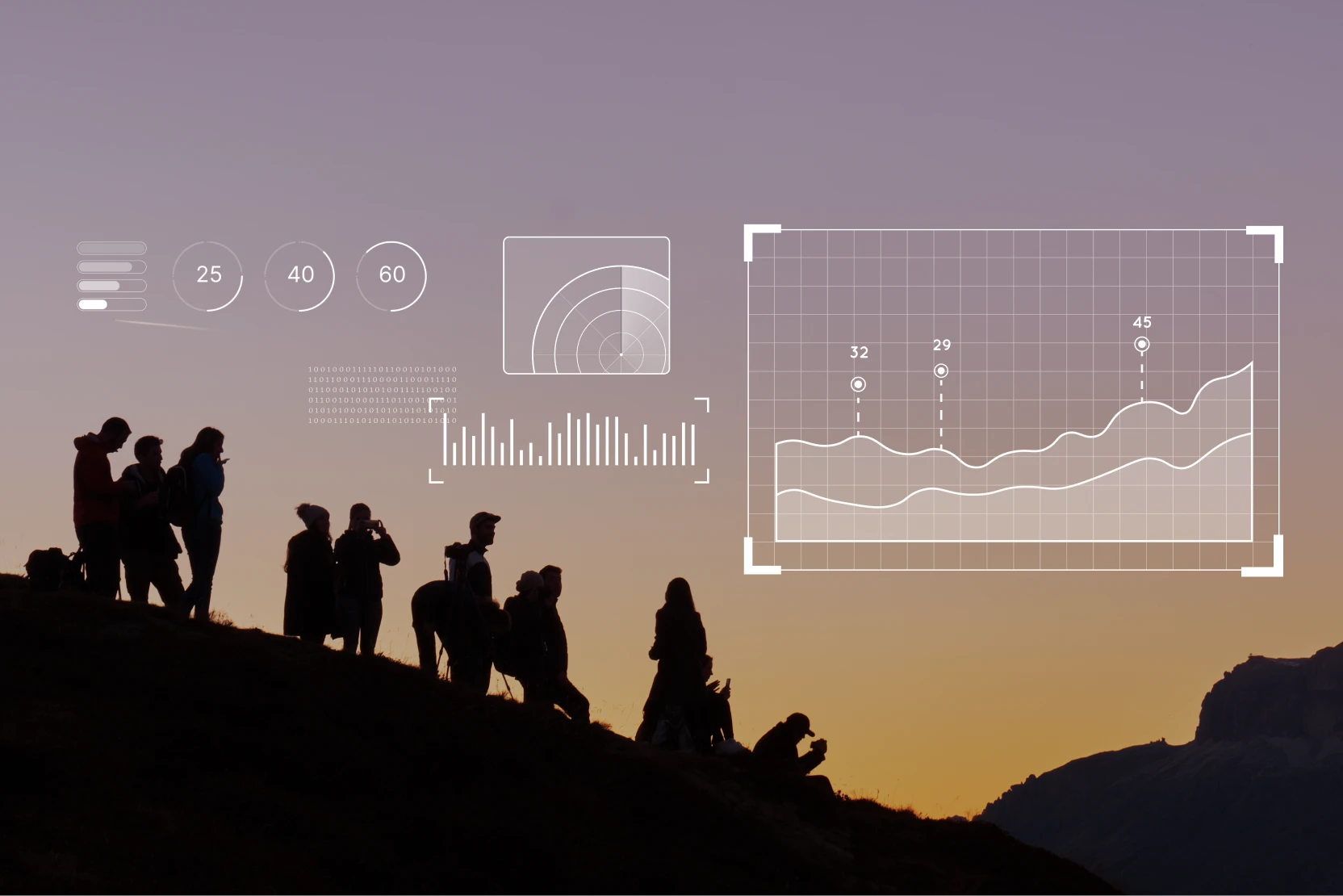
Where Science Meets Summit: Yishii Goes to 5,416 Metres
Signsbeat partners with the University of Nottingham Malaysia's School of Pharmacy on a first-of-its-kind high-altitude wellness study across the Annapurna Circuit
News
2025/10/29
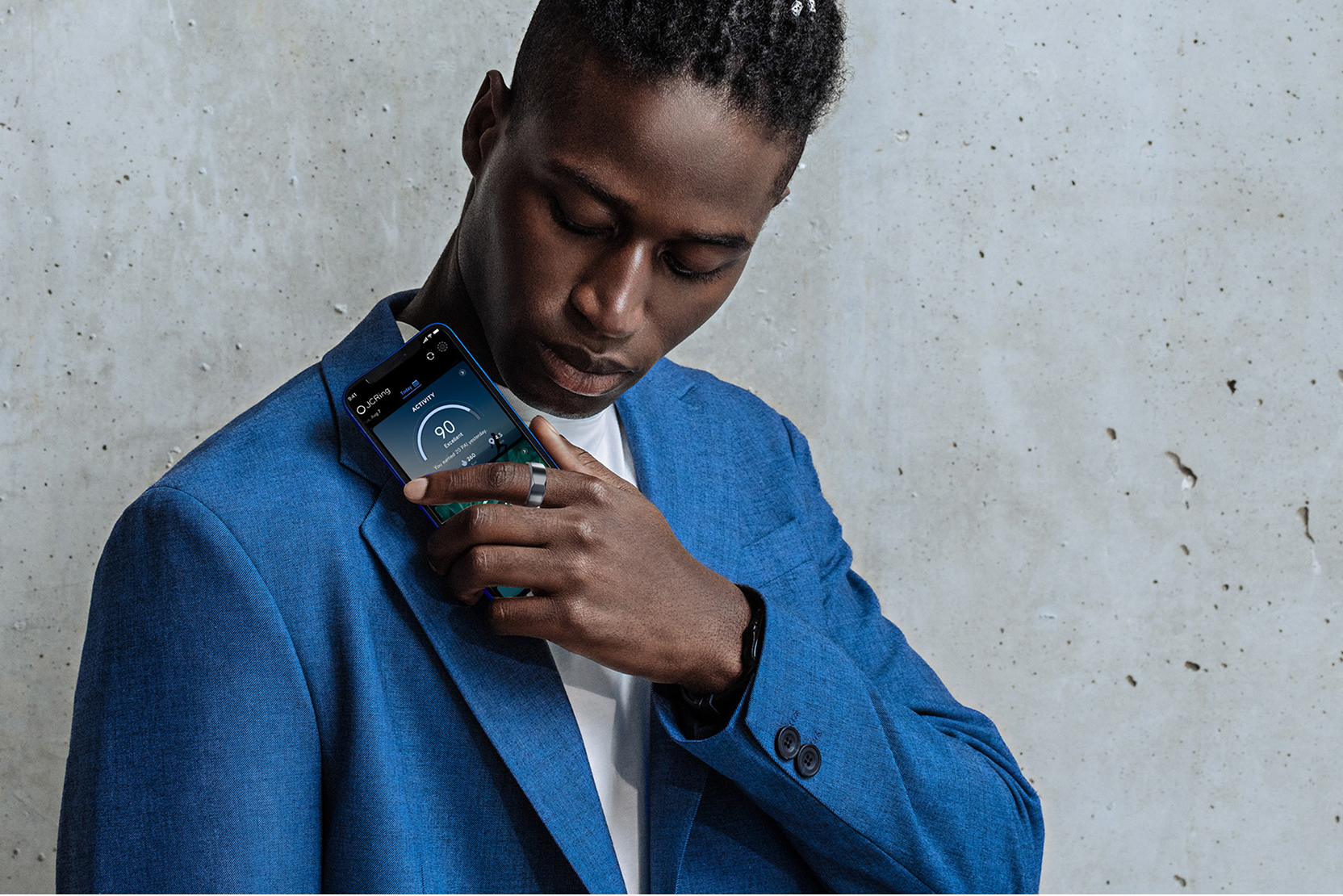
Recovery After Aortic Valve Surgery with Prolonged Infection
Integrating Blood Biomarkers With Signsbeat Physiological States

News
2025/09/08
A new generation of smart ring is coming-7
Lorem ipsum dolor sit amet consectetur. Morbi ac commodo velit vitae in ac augue dui.